
A defensive handgun course is very different from standard target shooting. Instead of focusing only on accuracy, it focuses on control, awareness, and responsible decision-making under pressure. The USCCA Defensive Handgun Course is designed to help beginners build those skills in a structured and safe environment.
This training is associated with the USCCA, an organisation widely recognised for its civilian self-defence education programs. Their approach emphasises safety first, followed by skill development and then scenario-based application.
For many students, this course is the first real step into defensive firearm training, especially if they have only experienced recreational shooting before.
Building the Foundation: Safety and Mindset
Every USCCA Defensive Pistol Training Program begins with safety, and this is not treated as a one-time lesson. Instead, it is reinforced continuously throughout the course.
Students are introduced to core safety principles such as safe direction, trigger discipline, and situational awareness. However, what makes defensive training different is the addition of mindset development. This is where students begin to understand that carrying or using a firearm responsibly requires constant awareness of surroundings and potential risks.
The training also introduces the concept of decision-making under stress. While beginners are not expected to simulate real-life encounters immediately, they are taught to think critically about when force is appropriate and when avoidance is the better option.
Learning Proper Handgun Handling
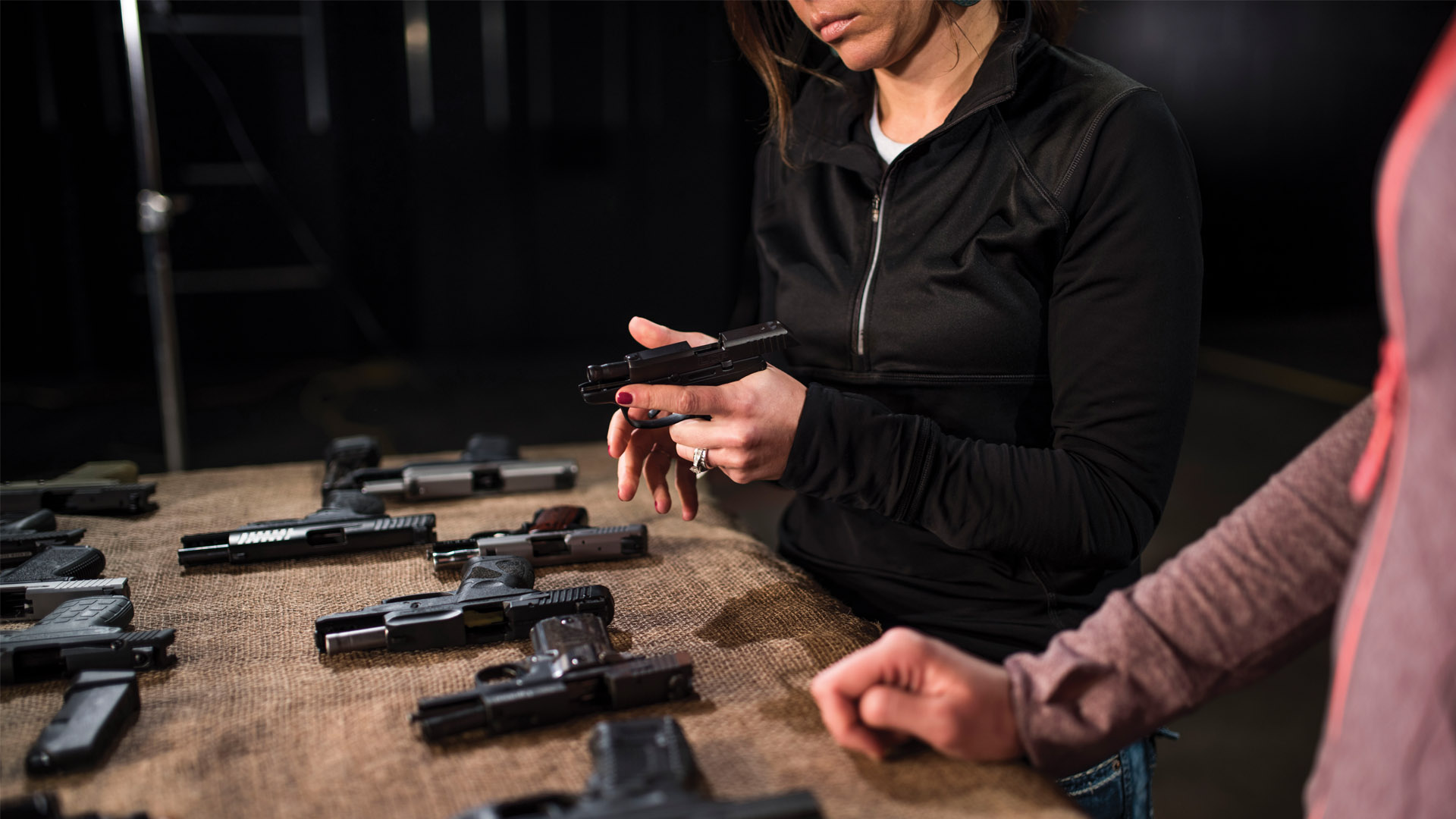
One of the most important components of the USCCA 5 Week Defensive Pistol Program is developing safe and consistent handgun handling skills. Many beginners underestimate how much control matters when using a pistol in defensive situations.
Students learn how to properly grip the firearm, establish a stable shooting stance, and align sights effectively. These fundamentals are essential because even small inconsistencies can significantly affect accuracy and control.
Reloading techniques are also introduced early. This includes both tactical and emergency reloads, depending on the level of the course. Instructors ensure that every step is performed safely and deliberately before increasing complexity.
Defensive Shooting Fundamentals
Unlike recreational shooting, defensive training focuses on controlled responses rather than static accuracy. The Defensive Pistol Program USCCA teaches students how to manage recoil, maintain target focus, and fire controlled, purposeful shots.
Trigger control is heavily emphasised, as it directly affects accuracy under pressure. Students also learn how to recover quickly between shots while maintaining proper alignment.
Another important aspect is movement. While beginners may start from a static position, more advanced stages of the course introduce basic movement techniques, helping students understand how to maintain control while adjusting position.
Situational Awareness and Decision-Making
One of the most valuable parts of a USCCA Defensive Handgun 5-Week Course is the focus on situational awareness. This goes beyond the range and into everyday thinking patterns.
Students are taught to recognise potential threats early and understand how to avoid escalation whenever possible. The training encourages awareness of exits, surroundings, and behavioural cues in public environments.
Decision-making exercises are also introduced in a controlled format. These scenarios help students think through response options without pressure, reinforcing the importance of judgment before action.
The USCCA places strong emphasis on responsibility, ensuring that students understand the legal and ethical considerations surrounding defensive firearm use.
The Difference Between Short and Extended Training
While both short and long programs teach similar foundational skills, the depth of learning is significantly different.
A shorter 4-hour defensive pistol program USCCA is typically focused on introduction and awareness. Students get a basic understanding of handling, safety, and live-fire exposure, but there is limited time for repetition or correction.
In contrast, the USCCA Defensive Handgun 5-week course allows for gradual development. Students have time to practice between sessions, reflect on instructor feedback, and improve steadily over multiple weeks.
This difference in pacing is important because defensive shooting is not just about knowing techniques, but being able to perform them consistently under stress.
What Makes Structured Training Effective
Structured defensive training works because it removes guesswork. Instead of learning through trial and error, students follow a guided progression designed by experienced instructors.
The Defensive Pistol Program USCCA ensures that every skill is introduced in a logical order. Safety comes first, followed by handling, then marksmanship, and finally scenario-based decision-making.
This progression helps prevent bad habits from forming early. It also ensures that students are not overwhelmed by complexity before they are ready.
Another key benefit is instructor feedback. Small mistakes in grip, stance, or trigger control are corrected immediately, which leads to faster improvement and safer handling overall.
Real-World Application of Training
Although most training takes place in controlled environments, the skills learned in a USCCA Defensive Handgun Course are designed for real-world application.
Students develop the ability to stay calm under pressure, make quick decisions, and maintain control of their firearm safely. These skills are not just technical, but behavioural, which is what makes defensive training unique.
Even basic drills help build muscle memory, allowing students to respond more naturally in stressful situations. Over time, this leads to improved confidence and better control in both training and real-life contexts.
Final Thoughts
The USCCA Defensive Pistol Training Program offers a structured and practical approach to learning defensive handgun skills. Whether taken as a short introductory session or a longer USCCA 5 Week Defensive Pistol Program, the goal remains the same: build safe, responsible, and confident firearm users.
Training associated with the USCCA ensures that every student is guided through a clear progression of safety, skill development, and decision-making.
For beginners, this course provides not only technical instruction but also the mindset needed for responsible defensive firearm use in real-world situations.