
Learning how to properly handle a rifle for the first time can feel intimidating, especially when it involves a platform as widely used and modular as the AR-15. The USCCA AR-15 Fundamentals program is designed to remove that uncertainty by guiding beginners through a structured learning path that starts with safety and gradually builds toward live-fire confidence.
This training is associated with the USCCA, an organisation focused on civilian firearm education, self-defence preparedness, and responsible handling practices. Their instructional approach is built around clarity, repetition, and controlled progression, which is especially important for new shooters who are still developing basic familiarity.
The Getting to Know Your AR-15 component is often the first major milestone in this journey, and it sets the tone for everything that follows.
Understanding the AR-15 Platform
Before any live-fire training begins, students spend time learning what makes the AR-15 unique. Unlike traditional rifles, the AR-15 is modular, meaning it is built from interchangeable components that function together as a system rather than a single fixed structure.
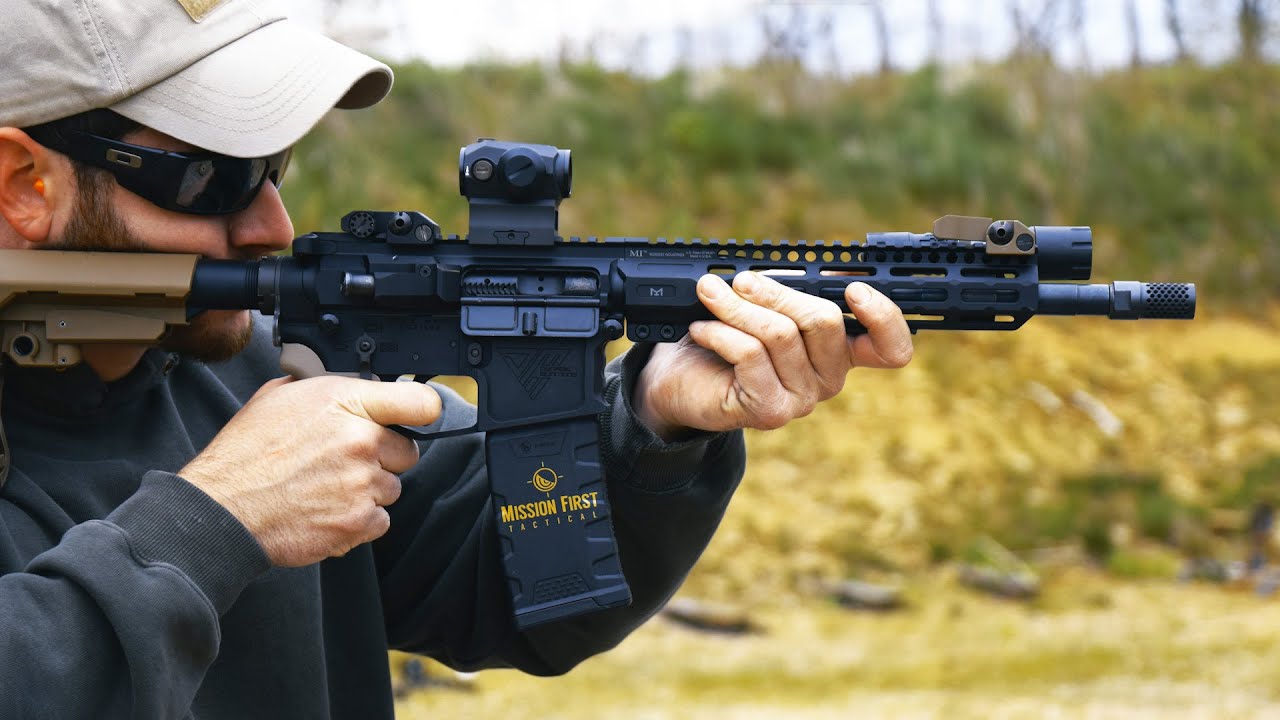
During this stage of the USCCA AR-15 Fundamentals, instructors break down the rifle into its core parts and explain how each one contributes to safe and reliable operation. This includes the upper and lower receiver, bolt carrier group, charging handle, and magazine system.
Instead of rushing into shooting, learners are encouraged to physically inspect the firearm under supervision. This hands-on exposure helps reduce hesitation and builds familiarity, especially for first-time shooters who may feel overwhelmed by mechanical complexity.
Building Safe Handling Habits Early
One of the strongest priorities in AR-15 Outdoor Range Training USCCA is safety conditioning. Before a student ever loads a round, they are repeatedly introduced to strict safety expectations and behavioural discipline.
The most important part of this stage is repetition. Students are guided through safe positioning, muzzle awareness, and trigger discipline until these actions become instinctive rather than conscious reminders.
This is where the philosophy of the USCCA becomes especially clear. Their training emphasises that firearm safety is not optional or situational, it is a constant responsibility at all times.
Transitioning to Outdoor Range Training
Once the foundational knowledge is established, students move into live-fire practice during USCCA AR-15 Outdoor Range Training. This transition is a major step because it shifts learning from theory to real-world application.
Outdoor conditions introduce variables such as wind, lighting changes, and distance variation. These factors help students understand how real environments affect shooting performance.
During this stage, learners begin with slow and controlled firing. The focus is not speed but precision, stability, and consistent technique. Instructors guide each step so students can build confidence gradually.
Developing Core Shooting Skills
As training progresses, students begin developing essential fundamentals through USCCA AR-15 Fundamentals instruction. These skills form the base of effective rifle handling and long-term improvement.
Key areas include trigger control, sight alignment, breathing rhythm, and recoil management. These elements work together to improve accuracy and reduce unnecessary movement while shooting.
Students also learn basic malfunction awareness. This includes recognising simple issues and responding safely under supervision. These early lessons help reduce uncertainty and build calm decision-making during live-fire practice.
Why Structured Training Matters
Many beginners attempt to learn through trial and error, but structured instruction significantly improves safety and progress. A guided environment ensures that mistakes are corrected early before they become habits.
The advantage of AR-15 Outdoor Range Training USCCA is real-time instructor feedback. Small errors in stance, grip, or trigger control are corrected immediately, which leads to faster and safer learning.
This approach also builds confidence. Instead of guessing, students receive clear direction at every stage of their development.
What a Training Session Looks Like
A typical USCCA AR-15 Outdoor Range Class follows a structured format that balances classroom instruction with hands-on practice.
It usually begins with a safety briefing and equipment overview, followed by dry-fire practice. Once students demonstrate readiness, they move into live-fire exercises under supervision.
Throughout the session, instructors provide constant feedback to ensure safe handling and proper technique. The pace is adjusted according to student comfort, making it suitable even for complete beginners.
Final Thoughts
The USCCA AR-15 Fundamentals program, along with Getting to Know Your AR-15, provides a clear and structured introduction to rifle training. It focuses on safety, confidence, and gradual skill development rather than rushing into advanced techniques.
Through supervised instruction and practical experience, students develop strong foundational habits that support long-term improvement. Training associated with the USCCA ensures that every stage of learning remains safe, responsible, and easy to follow for beginners.