
A handgun is only as effective as the person handling it. That is why structured training is essential for anyone serious about defensive firearm use. The 5-Week Defensive Pistol Training Program is designed to take beginners beyond basic familiarity and into consistent, confident, and responsible handling skills over time.
This program is associated with the USCCA, a well-known organisation focused on civilian self-defence education and firearms safety training. Their structured approach ensures that students do not just learn techniques, but actually retain and apply them under controlled conditions.
Unlike short introductory classes, this program spreads learning across multiple weeks, allowing skills to build gradually instead of all at once.
Why a 5-Week Structure Works Better for Learning
One of the biggest advantages of the USCCA 5 Week Defensive Pistol Program is time. Defensive shooting is not something that can be mastered in a single session. It requires repetition, correction, and gradual confidence building.
By spacing training over several weeks, students are able to:
- Practice between sessions
- Absorb instructor feedback more effectively
- Correct mistakes before they become habits
- Build muscle memory gradually
This structure is especially helpful for beginners who may feel overwhelmed in fast-paced environments.
Week 1: Safety and Foundational Handling
The first week focuses entirely on safety and handgun familiarity. Students are introduced to the core principles of firearm safety and learn how to handle a pistol responsibly before any live-fire exercises begin.
Instructors guide students through grip, stance, loading, and unloading procedures. The goal is to build comfort and eliminate hesitation.
This stage is critical because the USCCA places strong emphasis on safe handling habits as the foundation of all defensive training.
Week 2: Basic Marksmanship and Control
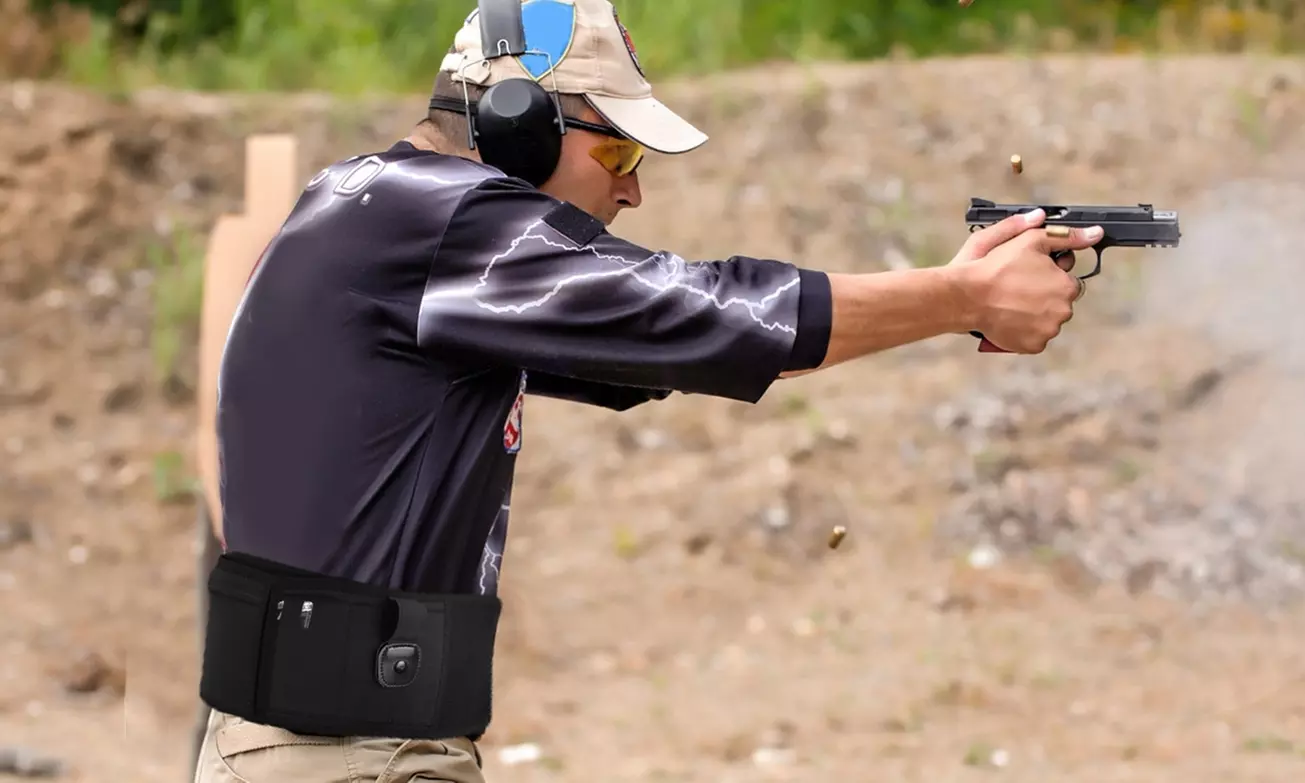
In the second week, students begin live-fire training. The focus shifts to accuracy, trigger control, and sight alignment.
Beginners learn how to manage recoil and maintain stability while firing controlled shots. Instructors provide constant feedback to ensure proper technique is developed early.
This is also when students begin to understand how small adjustments in grip or stance can significantly improve performance.
Week 3: Defensive Shooting Fundamentals
By the third week, the Defensive Pistol Program USCCA begins introducing defensive concepts rather than purely mechanical shooting skills.
Students practice drawing from a holster under supervision, engaging targets more efficiently, and maintaining control under slightly increased pressure.
The emphasis is on smooth, controlled responses rather than speed. This helps build confidence while maintaining safety.
Week 4: Decision-Making and Scenario Training
The fourth week introduces decision-making exercises. Students are guided through controlled scenarios that simulate real-world defensive situations.
These exercises help participants understand threat recognition, target identification, and situational awareness. The goal is not to create stress but to build awareness and judgment.
Instructors also begin introducing movement-based drills, teaching students how to maintain control while adjusting position.
Week 5: Skill Integration and Performance Review
The final week focuses on combining everything learned throughout the program. Students go through a series of drills that test safety, accuracy, and decision-making together.
This includes timed exercises, multi-target engagement, and controlled scenario evaluation. Instructors assess overall progress and provide personalised feedback for continued improvement.
By this stage, students should feel significantly more confident handling a handgun in a defensive context.
What Makes This Program Effective
The strength of the 5-Week Defensive Pistol Training Program lies in its progression. Instead of overwhelming students with information, it introduces skills step by step.
This allows learners to build strong habits early while continuously refining technique. It also ensures that safety remains the top priority throughout the entire process.
Another key factor is repetition. Skills like trigger control, sight alignment, and recoil management improve dramatically when practiced consistently over time rather than in a single session.
Role of Professional Instruction
Instructor guidance is one of the most important aspects of this training. The USCCA ensures that certified instructors provide structured feedback at every stage.
This helps students correct mistakes early and develop efficient techniques. Without this guidance, beginners often develop habits that are difficult to fix later.
Structured instruction also helps reduce anxiety, especially for those who are completely new to firearms.
Final Thoughts
The USCCA 5 Week Defensive Pistol Program is designed for individuals who want more than just a basic introduction to handgun use. It provides a structured, progressive learning environment where skills are built gradually and reinforced over time.
Compared to shorter sessions, this program offers deeper understanding, better retention, and stronger confidence.
With guidance from the USCCA, students develop not only technical shooting skills but also the awareness and discipline required for responsible defensive firearm use.