
Emergencies can happen without warning, and in those critical first few minutes, the actions taken by bystanders can make a life-saving difference. USCCA Emergency First Aid Training is designed to prepare civilians with the knowledge and practical skills needed to respond effectively in high-pressure situations.
Developed through programmes associated with the USCCA, this training goes beyond basic first aid. It focuses on real-world emergencies where immediate action is required before professional medical help arrives.
For individuals interested in personal safety and preparedness, this type of training is an essential addition to defensive education.
What Makes USCCA Emergency First Aid Training Different
Unlike standard first aid courses that often focus on minor injuries, USCCA Emergency First Aid Fundamentals emphasises trauma response and critical care in emergency situations.
This includes handling severe bleeding, managing shock, and ensuring airway safety. These are the types of injuries that can become life-threatening within minutes if not addressed properly.
The training is designed to be practical and easy to apply, even for individuals with no prior medical experience.
The Importance of Immediate Response
In many emergencies, there is a gap between when an incident occurs and when emergency responders arrive. During this time, the actions of those on the scene can significantly impact outcomes.
USCCA Emergency First Aid Training teaches participants how to take control of this critical window. Instead of freezing or panicking, trained individuals can act quickly and effectively.
Simple actions such as applying pressure to a wound or positioning someone safely can help stabilise the situation and improve survival chances.
Core Skills You Learn
One of the main strengths of USCCA Emergency First Aid Fundamentals is its focus on essential, high-impact skills.
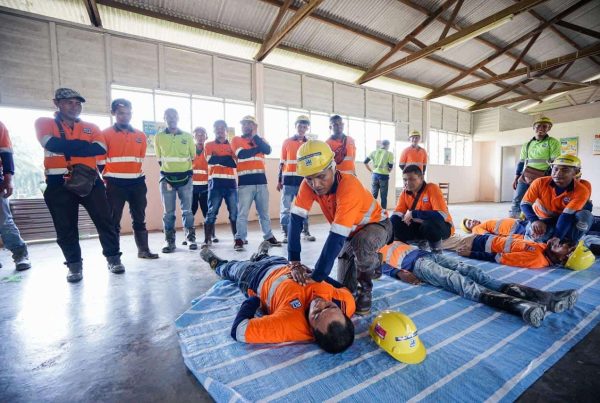
Participants learn how to control bleeding using direct pressure, tourniquets, and wound packing techniques. These skills are particularly important in trauma situations where blood loss is the primary risk.
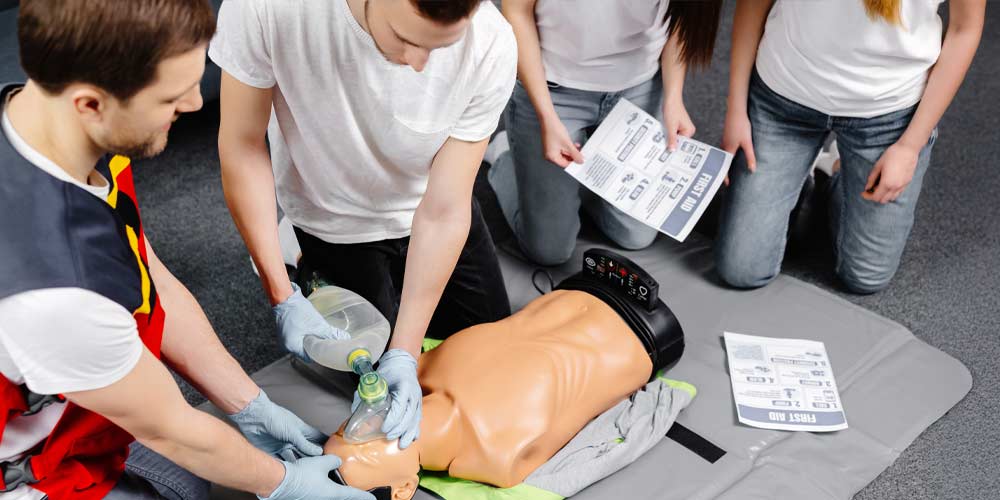
Airway management is another key area. Students are taught how to recognise breathing difficulties and ensure that the airway remains open.
The training also covers recognising and managing shock, which is a common but often misunderstood condition in emergency situations.
Connection to Personal Safety Training
Many individuals who take USCCA Emergency First Aid Training are also involved in personal defence education. This connection is intentional.
The USCCA promotes a complete approach to safety, which includes not only defensive awareness but also the ability to respond to injuries.
In real-world situations, the ability to provide medical assistance is just as important as the ability to avoid or manage threats.
Countering The Mass Shooter Threat
A key concept often discussed alongside first aid training is Countering The Mass Shooter Threat. While these scenarios are rare, they highlight the importance of preparedness and calm decision-making.
Participants learn how to prioritise safety, identify exit routes, and assist others when possible. First aid skills become especially valuable in these situations, where immediate care can save lives.
The focus remains on awareness, safety, and responsible action rather than confrontation.
Building Confidence Under Pressure
One of the biggest benefits of USCCA Emergency First Aid Training is the confidence it builds. Many people hesitate to act in emergencies because they are unsure of what to do.
Training replaces uncertainty with clear, actionable steps. By practising techniques in a controlled environment, participants develop the confidence to respond effectively when it matters most.
This confidence can make a significant difference in high-stress situations.
Why Emergency Preparedness Matters
Emergency preparedness is not just for professionals. Everyday individuals are often the first to respond when something goes wrong.
Having basic skills from USCCA Emergency First Aid Fundamentals allows civilians to provide immediate assistance and potentially save lives.
Preparedness also reduces panic. When people know what to do, they are more likely to act calmly and responsibly.
The approach taken by the USCCA ensures that training is practical, accessible, and focused on real-world application.
Common Misconceptions About First Aid Training
A common misconception is that first aid training requires medical expertise. In reality, the techniques taught in USCCA Emergency First Aid Training are designed for everyday individuals.
Another misunderstanding is that these skills are rarely needed. While major emergencies may be uncommon, smaller incidents occur regularly, and having the ability to respond is always valuable.
Understanding these points helps more people recognise the importance of training.
Real-World Application of Skills
The skills learned in this training can be applied in a wide range of situations. From accidents at home to incidents in public spaces, the ability to respond quickly can make a critical difference.
Even simple actions, when performed correctly, can stabilize a situation and provide valuable time for emergency services to arrive.
This is why first aid training is increasingly seen as an essential life skill rather than an optional one.
Final Thoughts
USCCA Emergency First Aid Training provides civilians with practical, life-saving skills that can be used in real-world emergencies. It focuses on immediate response, trauma care, and calm decision-making under pressure.
Through USCCA Emergency First Aid Fundamentals and preparedness concepts like Countering The Mass Shooter Threat, individuals gain the confidence and knowledge needed to act when it matters most.
With guidance from the USCCA, this training empowers people to take responsibility not just for their own safety, but for the well-being of others in critical situations.