
When purchasing a firearm through a licensed dealer, one of the most common questions beginners have is about cost and paperwork. The FFL transfer fee academy process can feel unclear at first, especially for those completing their first firearm purchase or transfer.
To understand it properly, it helps to break down both the legal structure and the practical steps involved in completing a transfer. This system is regulated at the federal level by the ATF, which ensures that all firearm transfers through licensed dealers follow strict compliance rules.
What an FFL Transfer Fee Actually Covers
An FFL transfer fee is a service charge paid to a licensed dealer for handling the legal transfer of a firearm. This is not just a simple administrative fee. It covers multiple responsibilities that the dealer must complete during the transaction.
These include receiving the firearm from the seller, logging it into official records, storing it securely, processing paperwork, and conducting the required background check when the buyer arrives.
In the academy FFL transfer process, the dealer acts as a legal intermediary between the buyer and seller. This ensures that every transfer follows federal guidelines and is properly documented.
Why Transfer Fees Exist
Transfer fees exist because licensed dealers are required to follow strict regulations when handling firearms. These rules are designed to maintain accountability and ensure that all transfers are legally compliant.
The fee compensates the dealer for time, storage space, record-keeping, and administrative processing. Without this system, firearm transfers would lack consistent oversight and legal structure.
Under the regulations enforced by the ATF, every transfer must be properly documented, which adds responsibility to the dealer’s role.
How FFL Transfer Fees Are Structured
The FFL transfer fee academy system does not have a fixed nationwide price. Instead, fees vary depending on the dealer, location, and type of firearm being transferred.
Most dealers use one of the following pricing models:
- A flat fee per firearm
- A reduced fee for multiple firearms in one transfer
- Higher fees for special firearms or complex transactions
Some dealers may also adjust pricing based on local demand or storage requirements. Because of this variation, it is always recommended to confirm fees before completing a purchase.
Step-by-Step Overview of the Transfer Process
Understanding fees is easier when you also understand the process they support. The academy FFL transfer process typically follows a consistent structure.
First, the firearm is purchased from a seller, often online or from another state. The seller then ships the firearm to a selected licensed dealer.
Once the firearm arrives, the dealer logs it into their inventory system and notifies the buyer that it is ready for pickup. At this stage, the buyer visits the dealer to complete paperwork and a background check.
Only after approval is the firearm released to the buyer.
Each of these steps is part of what the transfer fee covers.
Background Check Requirements
A key part of the FFL transfer process is the background check. This step is mandatory for most firearm transfers and is conducted when the buyer arrives at the dealer location.
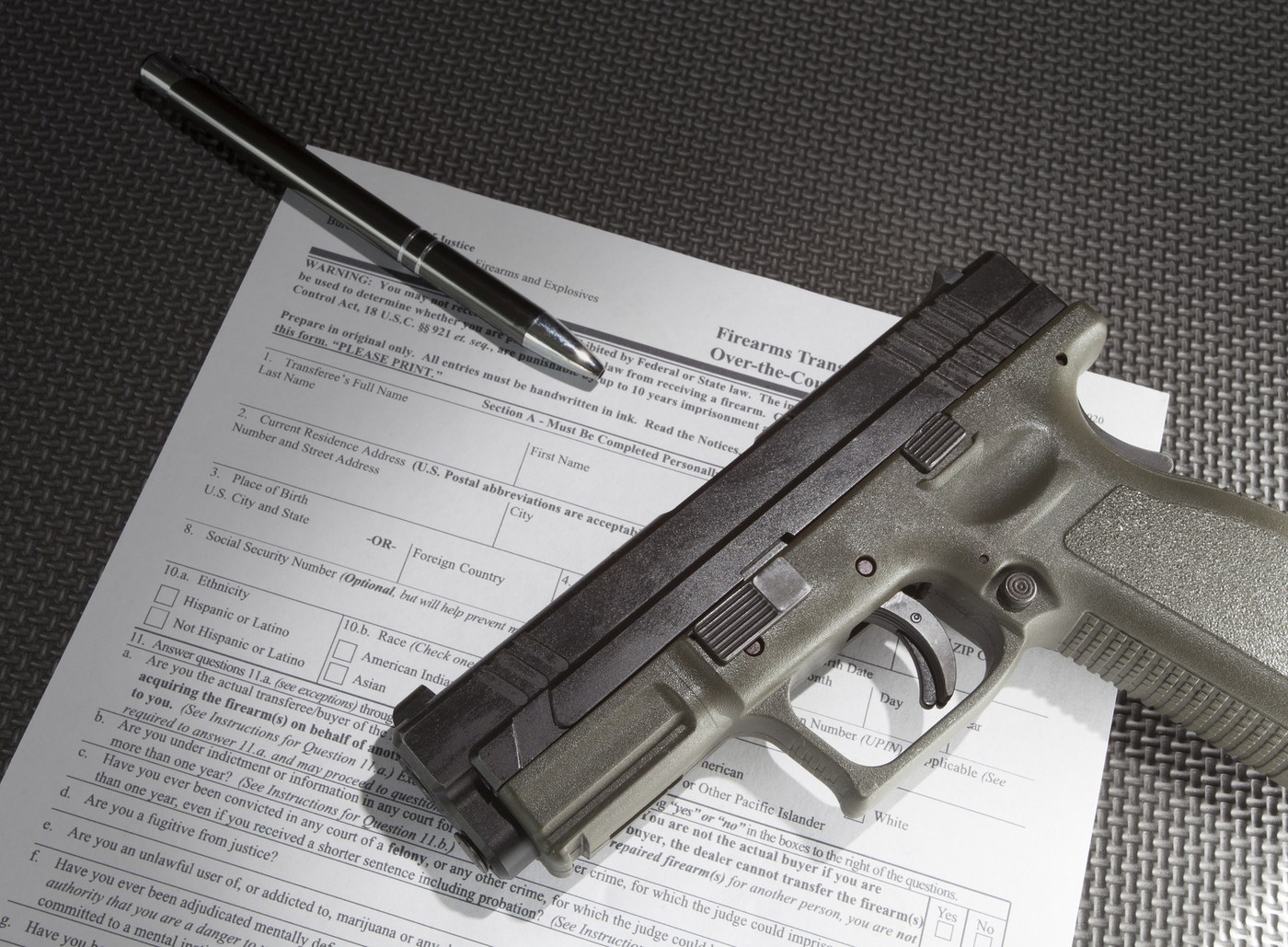
The buyer must complete federal paperwork, which is then used to verify eligibility through a national background check system. This process ensures that the firearm is only transferred to legally eligible individuals.
The ATF oversees this process to ensure consistency and legal compliance across all licensed dealers.
Common Misunderstandings About Fees
One common misunderstanding is that transfer fees are controlled by the government. In reality, they are set by individual licensed dealers, which is why prices can vary significantly.
Another misconception is that the fee is optional. In most cases, it is required because the dealer is legally responsible for completing the transfer process.
Some beginners also assume that all dealers offer the same level of service, but in practice, service quality, speed, and storage policies can vary.
Factors That Affect Transfer Costs
Several factors can influence the total cost of an FFL transfer. Location is one of the biggest factors, as dealers in high-demand areas may charge more due to operational costs.
The type of firearm being transferred can also impact pricing. Some dealers may charge additional fees for complex or restricted items that require extra handling.
Storage time is another factor. If a buyer delays pickup, some dealers may apply additional storage charges.
Why Understanding Fees Matters
Knowing how FFL transfer fees academy systems work helps buyers avoid unexpected costs and delays. It also ensures that the purchasing process is smoother and more transparent.
For first-time buyers, understanding these fees is an important part of responsible firearm ownership. It helps set realistic expectations and ensures compliance with legal requirements.
The structured system enforced by the ATF ensures that every transfer is handled consistently and legally.
Final Thoughts
The FFL transfer fee and requirements system is an essential part of regulated firearm ownership in the United States. While fees may vary, they all support the same goal: ensuring safe, legal, and properly documented firearm transfers.
By understanding the academy FFL transfer process, buyers can navigate purchases with confidence and avoid confusion during the transaction.
With oversight from the ATF, the system maintains accountability and ensures that every transfer is handled responsibly from start to finish.