
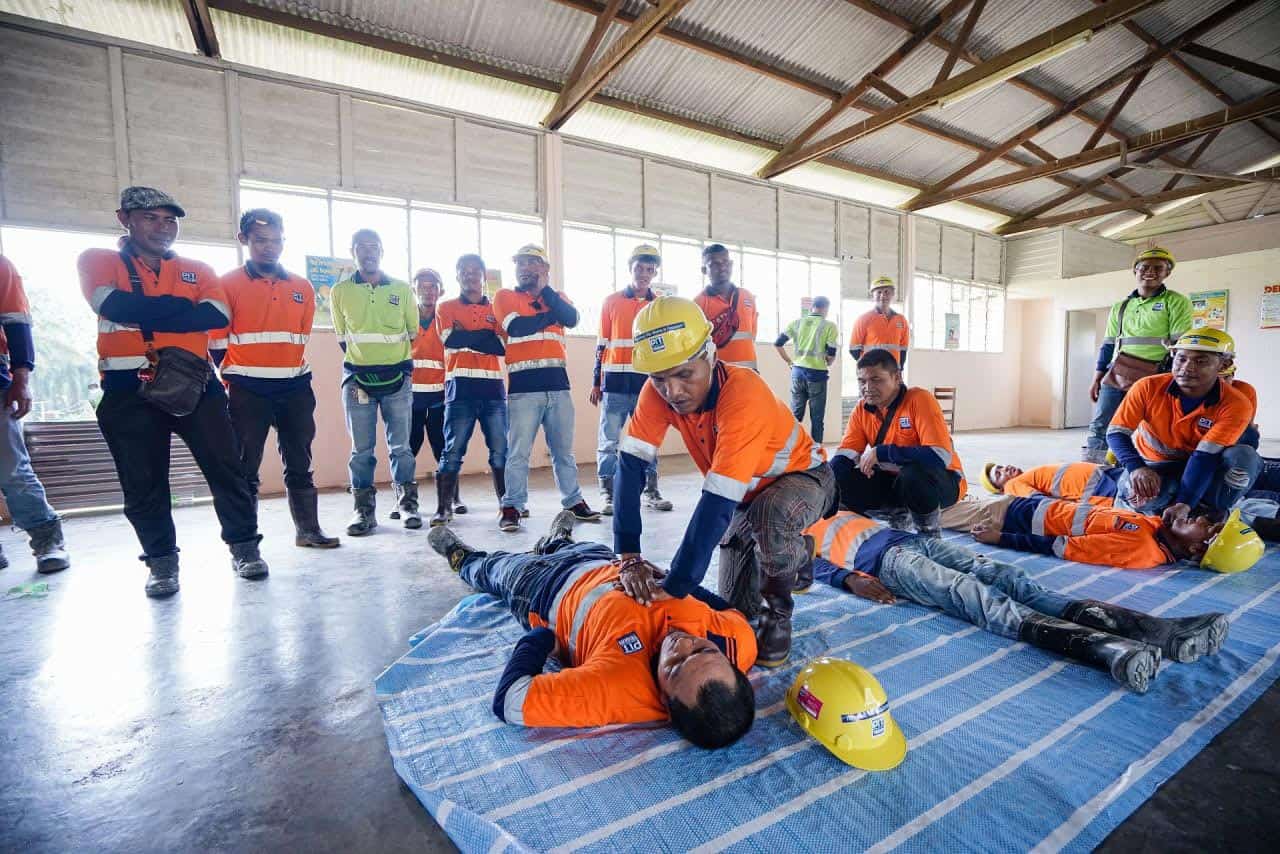
Emergency situations rarely give warning. Whether it is a natural disaster, medical emergency, or public safety incident, most people are not mentally or practically prepared to respond effectively. This is why emergency preparedness training for civilians has become increasingly important in modern safety education.
Preparedness training is not about fear or expecting danger at every moment. It is about building the ability to stay calm, think clearly, and take effective action when something unexpected happens. Programs like the USCCA Protector Academy approach this concept by focusing on awareness, decision-making, and practical response skills.
Understanding What Emergency Preparedness Really Means
Emergency preparedness is often misunderstood as extreme survival training. In reality, it is much more practical and everyday-focused. It includes knowing how to respond to medical emergencies, how to stay safe in public incidents, and how to protect yourself and others until help arrives.
The goal is not to become a professional responder, but to reduce panic and improve reaction time in critical situations.
Through structured learning under the USCCA, civilians are taught that preparedness starts with mindset. If the mind is calm, the response is more effective.
Why Civilians Need Preparedness Training
Most people assume emergencies are rare enough to ignore. However, when they do occur, the first few minutes are the most important. That is often the time before emergency services can arrive.
Without training, people tend to freeze, panic, or make poor decisions. Preparedness training helps replace uncertainty with simple, repeatable actions.
This includes understanding how to assess danger, how to move to safety, and how to assist others when possible.
Situational Awareness as a Core Skill
One of the most important parts of USCCA Protector Academy style training is situational awareness. This means being aware of your surroundings and recognising potential risks early.
For example, knowing exits in public places, noticing unusual behaviour, or avoiding distractions in crowded environments can significantly improve safety.
Situational awareness does not require special equipment or skills. It is a habit that improves decision-making in everyday life.
Emergency Response and Basic First Aid
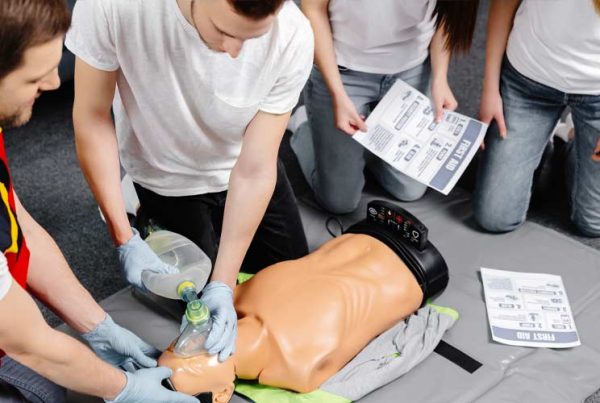
Preparedness training also includes basic emergency response skills. These skills can make a major difference in situations where medical help is delayed.
Learning how to control bleeding, respond to shock, or assist someone who is injured can help stabilise a situation until professionals arrive.
This is why many programs connected to the USCCA Emergency First Aid Fundamentals concept are considered essential for civilians, not just professionals.
Mental Preparedness and Decision-Making
One of the biggest challenges during emergencies is stress. High-pressure situations can make it difficult to think clearly.
Preparedness training helps individuals develop mental structure. Instead of reacting emotionally, they learn to follow simple steps based on safety priorities.
This includes staying calm, evaluating options, and choosing the safest possible action.
Avoidance and De-escalation First
A key principle in civilian preparedness training is avoidance. The safest response in most situations is to avoid danger entirely when possible.
If avoidance is not possible, the next step is de-escalation or creating distance from the threat.
Only when these options are not available does direct response become necessary. This structured thinking reduces unnecessary risk.
Why Training Builds Confidence
Many people avoid preparedness training because they believe they will not need it. However, those who do train often report increased confidence in everyday life.
This confidence does not come from aggression or force, but from knowing what to do in uncertain situations.
The USCCA Protector Academy model focuses heavily on building this confidence through practical knowledge and simple response frameworks.
Common Misconceptions About Preparedness Training
A common misconception is that preparedness training is only for high-risk professionals. In reality, civilians benefit the most because they are least likely to have prior experience.
Another misunderstanding is that training encourages fear. In fact, it reduces fear by replacing uncertainty with clarity.
Prepared individuals are less likely to panic because they already understand basic response steps.
Real-World Value of Preparedness Skills
Emergency preparedness skills apply to everyday life. Car accidents, workplace injuries, and public emergencies are more common than most people realise.
Even simple knowledge can improve outcomes significantly. Knowing how to react calmly, help others, or contact emergency services efficiently can make a real difference.
This is why preparedness training is increasingly seen as a life skill rather than optional education.
Final Thoughts
Why emergency preparedness training is essential for civilians comes down to one key idea: readiness saves time, reduces panic, and improves outcomes.
Through structured approaches like the USCCA Protector Academy, civilians learn how to stay aware, act responsibly, and respond effectively in emergencies.
With support from the USCCA, preparedness becomes a practical and accessible skill that strengthens safety in everyday life.