
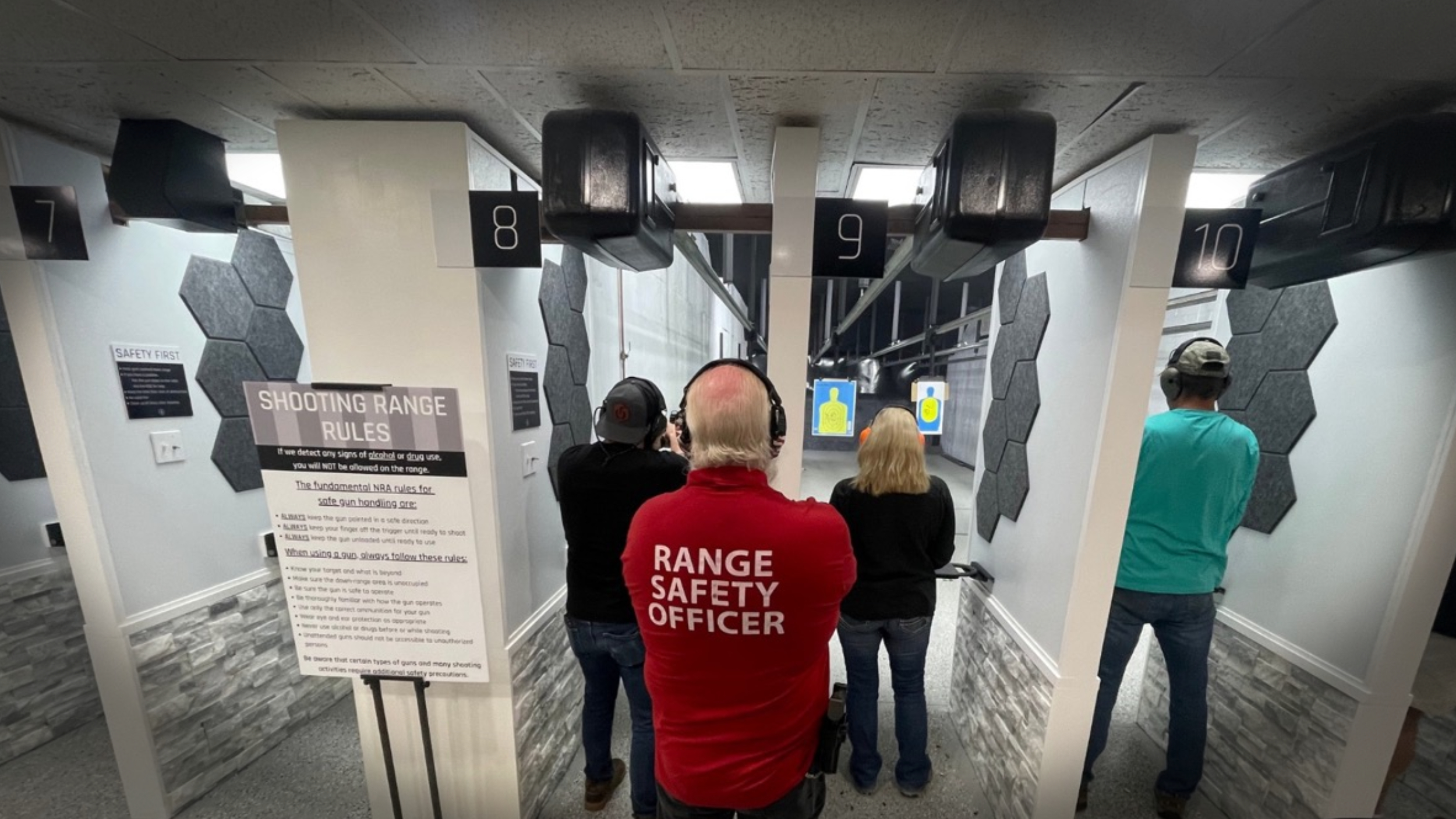
The NRA RSO training program is designed to prepare individuals for one of the most important roles in any shooting environment: maintaining safety. While many firearm courses focus on shooting skills, this program focuses entirely on supervision, risk prevention, and responsible range management.
Delivered through the NRA Range Safety Officer Course, this training provides a structured and practical understanding of how to oversee range operations effectively. It is developed under the NRA, ensuring a standardised and widely recognised curriculum.
For anyone considering becoming a Range Safety Officer, understanding what the training covers is the first step.
Introduction to Range Operations
One of the first things students learn in the NRA RSO training program is how a shooting range operates. This includes understanding range layouts, safety zones, and the flow of shooting activities.
Students are introduced to the roles and responsibilities within a range environment. This helps them understand where the Range Safety Officer fits into the overall structure.
The focus is on creating a controlled environment where all participants can operate safely.
Core Safety Rules and Enforcement
Safety is the foundation of the NRA Range Safety Officer Course. Students are taught the core safety rules that must be followed at all times on a shooting range.
These rules include proper firearm handling, safe direction control, and strict adherence to range commands. However, the training goes beyond memorising rules.
Students learn how to enforce these rules consistently and confidently. This is a key part of the nra range safety officer role, as enforcement ensures that safety standards are maintained at all times.
Range Commands and Communication Skills
Clear communication is one of the most important skills taught in the NRA RSO training program. Students learn standardised range commands that are used to control shooting activities.
Commands such as “cease fire,” “range is hot,” and “range is cold” must be delivered clearly so that all shooters understand and respond immediately.
Beyond commands, RSOs are trained to communicate with individuals in a calm and professional manner. This is especially important when correcting unsafe behaviour.
Effective communication helps maintain order and prevents misunderstandings during range operations.
Monitoring Shooter Behaviour
A key responsibility of a Range Safety Officer is observing and managing shooter behaviour. The NRA RSO course teaches students how to identify unsafe actions quickly and intervene before they lead to incidents.
This includes watching for improper handling, lack of attention, or violations of safety rules. Students learn to stay alert and maintain awareness of all activity on the range.
The ability to monitor multiple individuals at once is an essential skill developed during training.
Risk Assessment and Prevention
The NRA RSO training program places strong emphasis on risk prevention. Students are trained to identify potential hazards before they become problems.
This includes checking equipment conditions, ensuring proper target placement, and monitoring environmental factors such as lighting or range layout.
The goal is to prevent accidents rather than respond after they occur. This proactive approach is what defines the role of an effective Range Safety Officer.
Emergency Procedures and Response
While prevention is the priority, RSOs must also be prepared to respond to emergencies. The training includes instruction on how to handle incidents such as injuries, firearm malfunctions, or unsafe conditions.
Students learn how to stop range activity immediately, secure the environment, and provide initial assistance if needed.
Although RSOs are not medical professionals, they play a critical role in managing the situation until help arrives.
The structured approach taught by the NRA ensures that responses are calm and organised.
Professional Conduct and Leadership
The NRA RSO training program also emphasises professionalism. RSOs are expected to remain calm, focused, and authoritative in all situations.
Students learn how to manage conflicts, maintain control during busy conditions, and ensure that safety is never compromised.
Leadership is a key part of the role. RSOs must guide shooters, enforce rules, and maintain a safe environment without creating unnecessary tension.
Real-World Application of Skills
One of the strengths of the NRA Range Safety Officer Course is its focus on real-world application. The skills taught are directly applicable to actual range environments.
Whether supervising a small group or managing a busy shooting range, the training prepares students to handle a variety of situations confidently.
This practical approach ensures that certification is not just theoretical but highly functional.
Why This Training Matters
The nra range safety officer role is essential for maintaining safe shooting environments. Without trained RSOs, ranges would lack the structure needed to prevent accidents and enforce safety standards.
This training ensures that individuals are prepared to take on that responsibility with confidence and competence.
Certification through the NRA is widely recognised, making it a valuable credential for anyone involved in range operations.
Final Thoughts
The NRA RSO training program provides a comprehensive understanding of safety, communication, and leadership in a shooting range environment.
Through the NRA Range Safety Officer Course and nra RSO course, students learn how to supervise, prevent risks, and respond effectively to real-world situations.
With guidance from the NRA, this training prepares individuals to take on a critical role in maintaining safety and responsibility within the firearms community.