
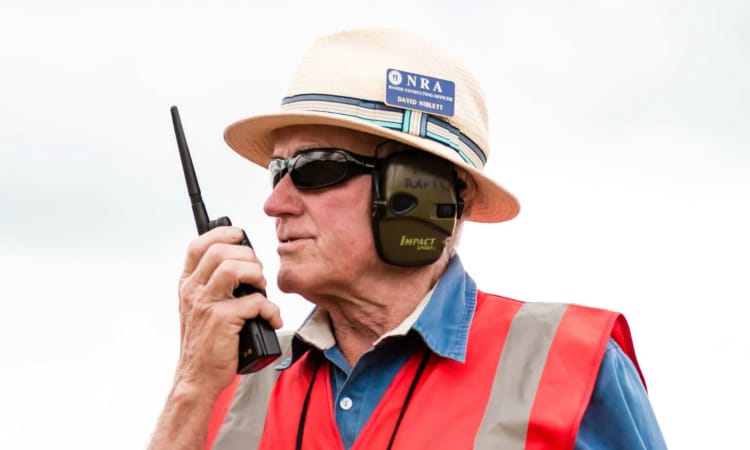
Becoming a certified Range Safety Officer is an important step for individuals who want to take on a leadership role in maintaining safety at shooting ranges. The range safety officer certification process focuses on supervision, risk management, and ensuring that all firearm activity is conducted in a controlled and safe environment.
Most certifications are completed through the NRA Range Safety Officer Course, developed by the NRA. This course is widely recognised and provides a structured pathway to becoming a qualified Range Safety Officer.
For those interested in safety leadership rather than just shooting, this certification offers a clear and practical progression.
Step 1: Understand the Role of a Range Safety Officer
Before starting the certification process, it is important to understand what a Range Safety Officer actually does. An RSO is responsible for supervising shooting activities and ensuring that all participants follow safety rules.
This includes monitoring firearm handling, enforcing range commands, and identifying potential hazards before they become serious issues.
Unlike instructors, RSOs are not primarily responsible for teaching shooting skills. Their focus is entirely on safety and control within the range environment.
Step 2: Enrol in the NRA RSO Course
The next step is enrolling in the NRA RSO course, which provides the official training required for certification. This course is designed to teach participants how to manage range operations safely and effectively.
Training is typically conducted in a classroom setting, where students learn about range rules, safety procedures, and communication techniques.
The NRA ensures that the course follows a consistent curriculum so that certified RSOs can operate confidently across different ranges.
Step 3: Learn Range Safety Procedures
A major part of the range safety officer certification process involves understanding and applying safety procedures. Students are trained to identify unsafe behaviour, enforce rules, and maintain control of the shooting environment.
This includes learning how to conduct safety inspections, monitor firing lines, and manage shooter behaviour in real time.
The goal is to prevent accidents before they occur rather than responding after something goes wrong.
Step 4: Master Range Commands and Communication
Communication is a key responsibility for any Range Safety Officer. During the NRA Range Safety Officer Course, students learn standardised range commands that are used to control shooting activity.
Commands such as “cease fire” and “range is cold” must be delivered clearly and confidently to ensure immediate compliance.
RSOs also learn how to communicate with shooters in a professional and respectful manner, especially when correcting unsafe actions.
Step 5: Understand Emergency Response Protocols
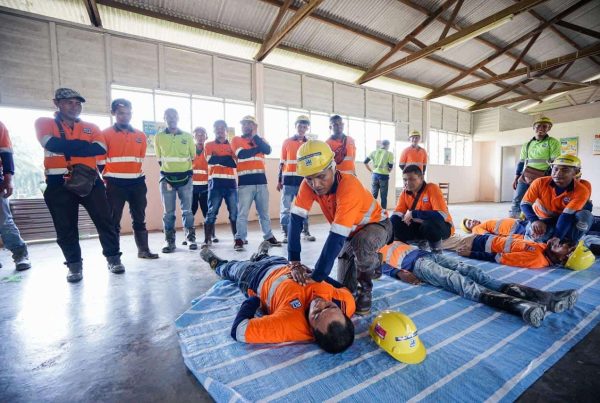
RSOs must be prepared to respond quickly in emergency situations. The NRA RSO course includes training on how to handle incidents such as firearm malfunctions, injuries, or unsafe conditions.
While RSOs are not medical professionals, they are trained to take immediate action to secure the range and provide initial assistance until help arrives.
Quick thinking and calm decision-making are essential skills developed during training.
Step 6: Complete Certification Requirements
After completing the course, participants receive their range safety officer certification if they meet all training requirements.
This certification confirms that the individual understands range safety procedures and is capable of supervising shooting activities responsibly.
The certification is widely recognised due to its association with the NRA, making it valuable for both volunteer and professional roles.
What You Learn in NRA RSO Training
The NRA RSO training program provides a comprehensive understanding of range safety and operations.
Students learn:
- How to enforce safety rules consistently
- How to monitor and manage shooter behaviour
- How to identify and address risks early
- How to communicate effectively in a range environment
- How to respond to emergencies calmly
The training focuses on practical application, ensuring that participants are prepared for real-world situations.
Why RSO Certification Is Important
Earning a range safety officer certification demonstrates a commitment to safety and responsibility. It shows that an individual is capable of managing a range environment and ensuring that all participants follow proper procedures.
Many shooting ranges require certified RSOs to maintain safe operations, making this certification valuable for those looking to work or volunteer in range settings.
It also provides a strong foundation for further training in firearm instruction or safety leadership roles.
Common Misconceptions About Becoming an RSO
One common misconception is that becoming an RSO requires advanced shooting skills. In reality, the focus is on safety management rather than marksmanship.
Another misunderstanding is that the role is passive. RSOs are actively engaged at all times, monitoring activity and enforcing rules to prevent accidents.
Understanding these realities helps set clear expectations for those considering certification.
Final Thoughts
The range safety officer certification process is a structured and practical pathway for individuals who want to take responsibility for safety in shooting environments.
Through the NRA Range Safety Officer Course and NRA RSO course, participants gain the knowledge and skills needed to supervise range activity effectively.
With guidance from the NRA, certified RSOs play a critical role in maintaining safe and controlled shooting environments, making this certification both valuable and impactful.