
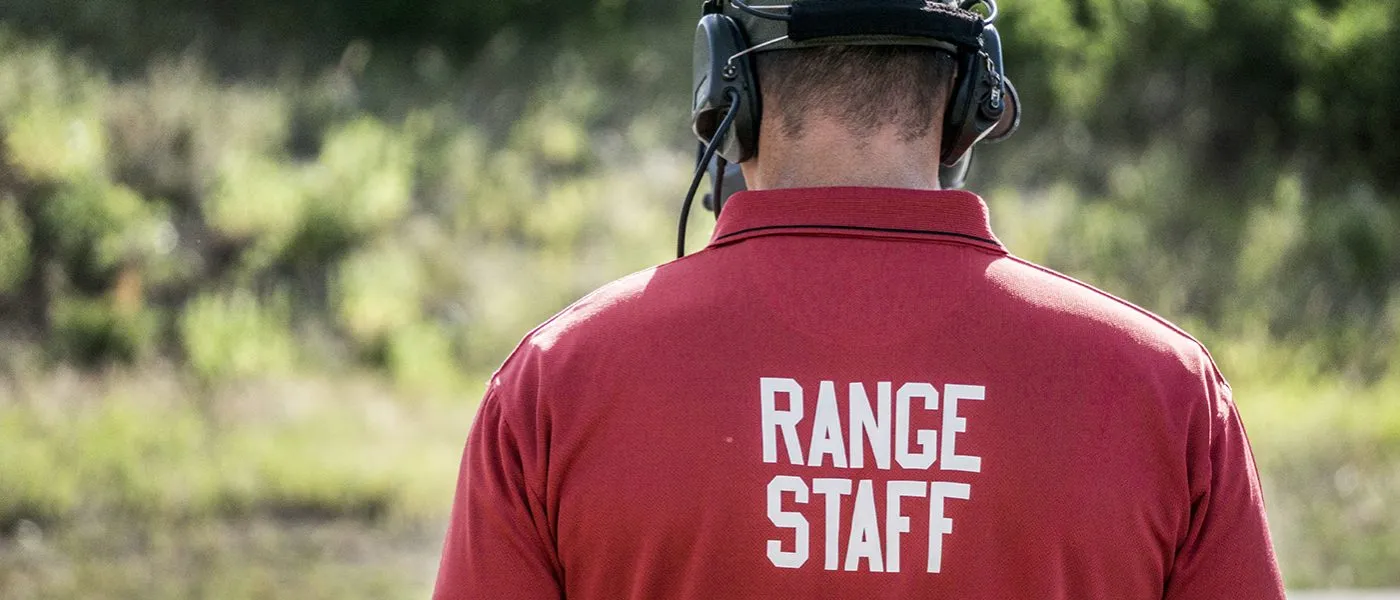
The NRA Range Safety Officer Course is designed for individuals who want to take on a leadership role in maintaining safety at shooting ranges. Unlike basic firearm training courses, this program focuses on supervision, risk management, and ensuring that all range activities are conducted safely and responsibly.
This certification is developed under the NRA, a well-known organisation that provides structured firearms education and safety programs across the United States.
Becoming a Range Safety Officer, often referred to as an RSO, is an important step for those who want to move beyond personal shooting skills and into safety oversight roles.
What a Range Safety Officer Does
A Range Safety Officer is responsible for maintaining safe operations at a shooting range. This includes monitoring shooters, enforcing safety rules, and responding quickly to unsafe behaviour or emergencies.
An RSO is not an instructor in the traditional sense. Instead, they act as the authority on safety during live shooting sessions. Their role is to ensure that all participants follow established safety protocols at all times.
This includes supervising firing lines, controlling range commands, and intervening when unsafe actions occur.
Structure of the NRA RSO Course
The NRA RSO course is structured to combine classroom instruction with practical safety exercises. The focus is on learning how to manage a range environment rather than how to shoot.
Students begin with classroom-based instruction where they learn about range operations, safety procedures, and communication protocols. This includes understanding firing line commands and emergency response procedures.
The NRA ensures that the training is standardised so that RSOs can operate safely in a variety of range environments.
Core Responsibilities of an RSO
One of the main responsibilities of a Range Safety Officer is monitoring shooters to ensure compliance with safety rules. This includes watching for unsafe handling, improper equipment use, or violations of range procedures.
RSOs are also responsible for enforcing range commands clearly and consistently. Commands such as “cease fire” or “range is cold” must be communicated effectively to prevent confusion.
Another important responsibility is maintaining situational awareness at all times. RSOs must be able to identify potential risks before they escalate into incidents.
Safety Procedures and Risk Prevention
A major part of the NRA Range Safety Officer Course is learning how to prevent accidents before they occur. This includes conducting range inspections, checking equipment conditions, and ensuring that all safety protocols are being followed.
Students are trained to recognise hazards such as improper firearm handling, unsafe target placement, or environmental risks that could impact safety.
The goal is proactive prevention rather than reactive response.
Emergency Response Training
RSOs must also be prepared to respond to emergencies. While they are not medical professionals, they are trained to take immediate action in the event of an incident.
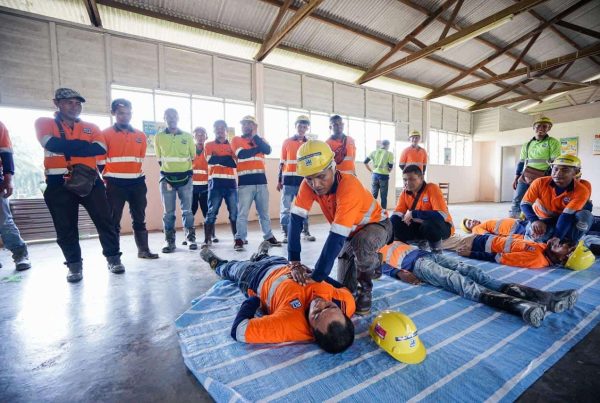
This includes stopping all shooting activity, securing the range, and providing initial assistance until professional help arrives.
Quick decision-making and calm leadership are essential skills in these situations.
Communication and Leadership Skills
Clear communication is one of the most important skills for a Range Safety Officer. The NRA RSO course teaches students how to deliver commands confidently and ensure that all shooters understand instructions immediately.
RSOs must also be able to correct unsafe behaviour in a professional and non-confrontational manner. This helps maintain order while avoiding unnecessary conflict.
Leadership is a key part of the role, especially in busy range environments where multiple shooters are active at once.
Why RSO Certification Is Valuable
Becoming certified as a Range Safety Officer opens opportunities in both recreational and professional environments. Many shooting ranges require RSOs to help maintain safe operations.
The certification is also valuable for individuals who want to expand their involvement in the firearms community. It demonstrates a strong understanding of safety principles and responsible firearm oversight.
Training under the NRA is widely recognised and respected in range environments across the country.
Common Misunderstandings About the Role
A common misconception is that RSOs are the same as instructors. In reality, their role is focused on safety supervision rather than teaching shooting techniques.
Another misunderstanding is that RSOs only act during emergencies. In practice, they are actively monitoring safety at all times during range operations.
Understanding these distinctions is important for anyone considering certification.
Final Thoughts
The NRA Range Safety Officer Course provides essential training for individuals who want to take responsibility for safety in shooting environments. It focuses on supervision, communication, and risk prevention rather than shooting skills.
With structured instruction from the NRA, students develop the confidence and knowledge needed to manage range safety effectively.
For those interested in advancing beyond basic firearm use, becoming a certified RSO is a valuable step toward leadership and safety responsibility in the firearms community.