
If you are buying a firearm for the first time, especially online or from another state, you will likely come across the term FFL transfer. For many beginners, this can sound complicated, but the process is actually very structured and straightforward once explained clearly.
An FFL transfer is the legal process of moving a firearm through a licensed dealer, ensuring that the transaction complies with federal law and that the buyer is eligible to own a firearm.
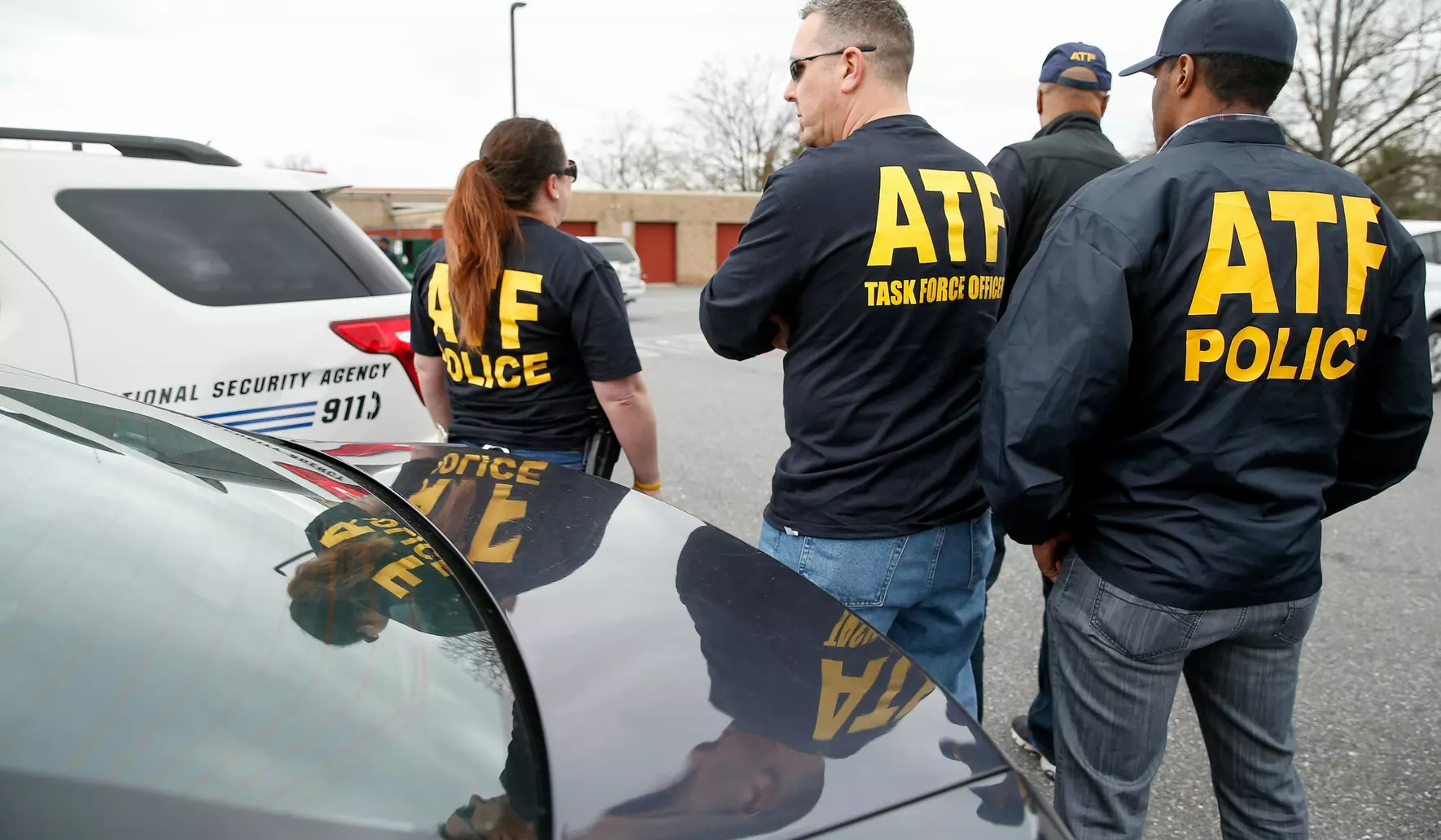
This system is regulated by the ATF, which oversees firearm licensing and transfer compliance across the United States.
Understanding the Meaning of an FFL Transfer
FFL stands for Federal Firearms License. A licensed FFL dealer is authorised to legally sell, receive, and transfer firearms under federal regulations.
An FFL transfer occurs when a firearm is shipped or handed to an FFL dealer, who then completes the legal process of transferring it to the buyer. This is required in most cases when purchasing from online retailers or out-of-state sellers.
Instead of the firearm going directly to the buyer, it must first go to a licensed dealer who verifies paperwork and completes a background check before releasing it.
Why FFL Transfers Are Required
The main reason for the FFL transfer system is to ensure accountability and legal compliance in firearm sales. It helps prevent illegal sales and ensures that every firearm transfer is properly documented.
Under regulations enforced by the ATF, most interstate firearm transfers must go through a licensed dealer.
This process ensures that the buyer is legally allowed to own a firearm and that all transactions are traceable and properly recorded.
How the FFL Transfer Process Works
The FFL transfer process follows a clear series of steps that apply across most licensed dealers.
First, the buyer purchases a firearm from a seller, often online or from another location. The seller then ships the firearm to a chosen FFL dealer in the buyer’s area.
Once the dealer receives the firearm, it is logged into their inventory system and stored securely. The buyer is then notified that the firearm is ready for pickup.
At this point, the buyer visits the dealer to complete required paperwork, including federal forms and identification verification. A background check is then conducted before the firearm can be released.
Only after approval is the firearm legally transferred to the buyer.
What Happens During the Background Check
A key part of any FFL transfer process is the background check. This step ensures that the buyer is legally eligible to own a firearm under federal and state law.
The buyer must complete federal paperwork, which is then used to run a background screening. This check reviews criminal history, legal restrictions, and other disqualifying factors.
The system is designed to ensure that firearms are only transferred to qualified individuals, in line with regulations enforced by the ATF.
Choosing an FFL Dealer
One of the first steps in completing an FFL transfer is selecting a licensed dealer. This is usually a local gun shop or authorised firearms business that handles transfers.
The buyer provides the dealer’s information to the seller so the firearm can be shipped directly to that location. Once received, the dealer manages the entire legal transfer process.
Different dealers may have different policies, fees, and processing times, so it is always recommended to confirm details in advance.
Common Misunderstandings About FFL Transfers
Many beginners assume that the FFL dealer is responsible for approving the transfer, but this is not entirely correct. The dealer facilitates the process, but approval depends on the background check results.
Another misconception is that all firearm purchases require an FFL transfer. While most interstate and online purchases do, some in-state private transfers may have different requirements depending on local laws.
Understanding these differences helps prevent confusion during the buying process.
How Long Does an FFL Transfer Take
The time required for an FFL transfer process can vary depending on several factors, including dealer workload and background check processing times.
In many cases, transfers are completed within a few days, but delays can occur if additional verification is needed or if the dealer has a high volume of transactions.
It is always best to confirm estimated timelines with the chosen FFL dealer before completing a purchase.
Why the FFL System Is Important
The FFL system exists to ensure that firearm transfers are conducted safely, legally, and responsibly. It creates a structured process that protects both buyers and sellers while maintaining regulatory oversight.
Without this system, firearm transactions would lack consistent documentation and legal verification, increasing the risk of unlawful transfers.
The oversight provided by the ATF ensures that every licensed dealer follows the same federal standards.
Final Thoughts
An FFL transfer is a legally required process that ensures firearms are transferred safely and in compliance with federal law. While it may seem complex at first, it follows a clear and structured system once broken down.
By working through a licensed dealer and completing the required background check, buyers can complete firearm purchases legally and responsibly.
Understanding the FFL transfer process is an essential step for any firearm owner, especially those purchasing online or across state lines.