
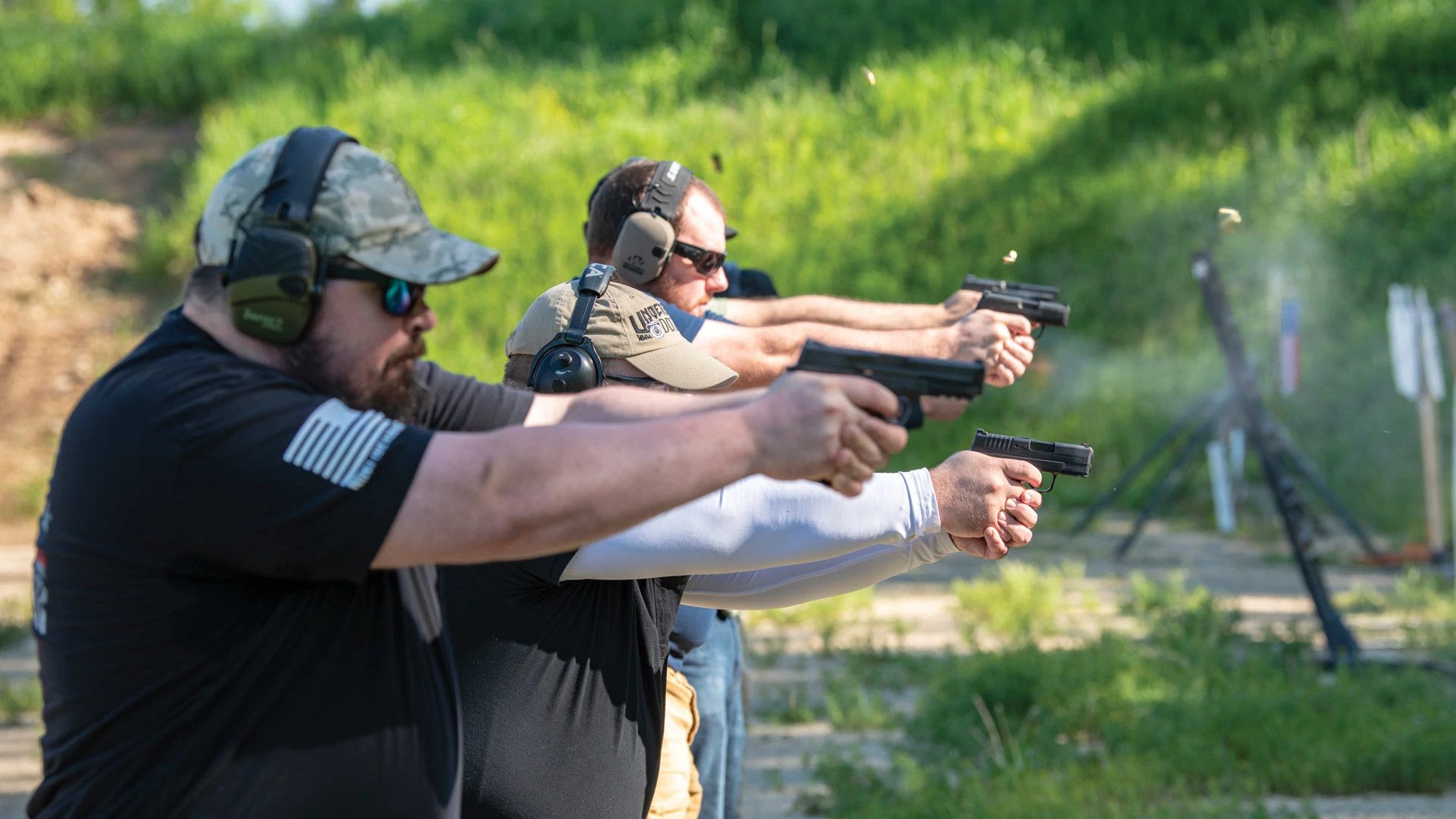
Learning how to use a handgun for defensive purposes is very different from casual shooting at a range. It requires structured training, strong safety habits, and a clear understanding of how to respond under pressure. The USCCA Defensive Pistol Training Program is designed to build those skills progressively, whether you choose a short introductory session or a more in-depth multi-week course.
This training is associated with the USCCA, an organisation widely known for its civilian self-defence education programs. Their defensive handgun curriculum is built around practical safety, real-world scenarios, and decision-making under stress.
Two of the most common formats are the 4-hour defensive pistol program USCCA and the USCCA Defensive Handgun 5-week course, each serving a different level of experience and learning depth.
Understanding the Purpose of Defensive Pistol Training
Before comparing course lengths, it is important to understand what defensive pistol training actually focuses on. Unlike recreational shooting, defensive training is designed to prepare individuals for real-life situations where quick, safe, and controlled responses matter.
The Defensive Pistol Program USCCA introduces students to essential concepts such as situational awareness, safe handgun handling, and basic defensive shooting mechanics. The emphasis is not just on accuracy but on judgment, control, and safety under pressure.
Students are also introduced to mindset development, which is a critical part of defensive training. Understanding when not to act is just as important as knowing how to act.
The 4-Hour Defensive Pistol Program
The 4-hour defensive pistol program USCCA is designed as a short introductory experience. It is ideal for beginners who want to understand the basics of defensive handgun use without committing to a long training schedule.
In this format, students are usually introduced to:
- Safe firearm handling principles
- Basic stance and grip for defensive shooting
- Fundamental marksmanship concepts
- Simple live-fire exercises under supervision
Because of the limited time, the focus is on exposure rather than mastery. Students leave with a basic understanding of how defensive pistol training works, but they are not expected to develop advanced skills in such a short session.
This format is especially useful for individuals who are new to firearms and want to determine whether they are comfortable pursuing more advanced training.
The 5-Week Defensive Handgun Course
The USCCA Defensive Handgun 5-week course offers a much more comprehensive learning experience. Instead of covering everything in a single session, the training is spread out over several weeks, allowing students to gradually build skill and confidence.
Each week typically focuses on a different aspect of defensive shooting. Early sessions emphasise safety and fundamentals, while later sessions introduce more complex drills such as target transitions, decision-making exercises, and controlled movement.
Because of the extended structure, students have more time to absorb information, practice between sessions, and correct mistakes. This leads to stronger long-term skill development compared to shorter courses.
The USCCA designs this format to ensure that students not only learn techniques but also understand how to apply them responsibly in real-life scenarios.
What You Learn in a Defensive Handgun Course
Regardless of course length, the USCCA Defensive Pistol Training Program focuses on a consistent set of core skills. These skills are essential for anyone considering handgun use for personal protection.
Students learn safe firearm handling, including loading, unloading, and clearing basic malfunctions. They also develop defensive shooting fundamentals such as trigger control, sight alignment, and recoil management.
In addition, students are introduced to situational awareness and decision-making under stress. This is one of the most important elements of defensive training, as real-world situations require quick judgment in unpredictable environments.
The USCCA 5-week defensive pistol program goes further by reinforcing these skills over time, allowing students to refine technique and build confidence through repetition.
Key Differences Between the Two Formats
The main difference between the 4-hour and 5-week programs is depth and retention.
The shorter program provides a basic introduction to defensive pistol concepts. It is fast-paced and designed for exposure. Students get a feel for handling and safety but do not spend enough time to fully develop consistent performance.
The longer program, on the other hand, focuses on progression. Each session builds on the previous one, allowing students to develop stronger habits and deeper understanding. This makes it more suitable for individuals who are serious about long-term defensive firearm training.
Another key difference is feedback time. In the 5-week course, instructors have more opportunities to correct errors and track improvement over time, which leads to better overall skill development.
Why Structured Defensive Training Matters
Defensive firearm use requires more than just technical ability. It requires discipline, awareness, and the ability to remain calm under pressure. Structured training helps develop these qualities in a controlled environment.
Programs like the Defensive Pistol Program USCCA ensure that students are not just learning how to shoot but also how to think responsibly in high-stress situations. This includes understanding legal and ethical considerations, even though these are often introduced at a basic level in entry courses.
Without structured instruction, beginners may develop unsafe habits or misunderstand critical defensive principles. Training reduces these risks by providing clear guidance and supervised practice.
Final Thoughts
The USCCA Defensive Pistol Training Program offers two distinct pathways depending on experience level and commitment. The 4-hour defensive pistol program USCCA is ideal for beginners who want a quick introduction, while the USCCA Defensive Handgun 5-week course provides deeper, more structured development.
Both formats are built around the training philosophy of the USCCA, which prioritises safety, responsibility, and practical defensive skills.
Choosing between them depends on your goals, but for long-term proficiency, the extended program offers a more complete foundation for defensive handgun use.